
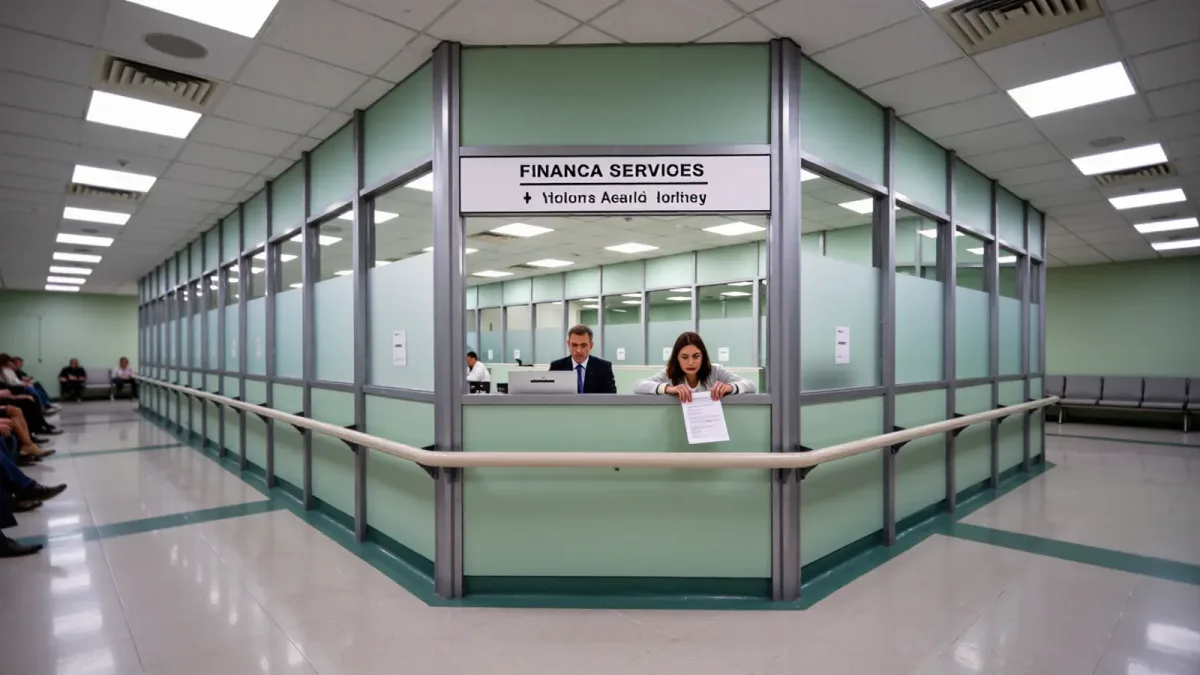
Hospital billing runs on volume: a single admission generates hundreds of charge lines coded by departments that rarely see the patient's whole chart. Against that backdrop, errors are not conspiracy but friction — duplicate charges, units that were never delivered, coding that says a more severe case than the one treated. Industry audits and billing-advocate reviews have historically estimated that a significant share of hospital bills contain errors, with some coding audits finding errors in a quarter or more of records reviewed, and one widely cited 2000s-era analysis estimated $68 billion in annual US hospital billing errors. The itemized bill is the tool that makes those errors visible.
This article publishes information, not medical or insurance advice. Disputing a bill is a records process, not a negotiation — and for costs that depend on your specific plan, the plan's member services line is the authority.
What an itemized bill is — and why the default bill is not enough
The first statement a hospital sends is usually a summary: dates, departments, a total. The itemized bill — also called a detailed or line-item statement — lists every charge: each medication with quantity, each lab test, each imaging study, supply items down to gloves in some systems, room-and-board by day and rate class. Hospitals must provide itemized bills on request, and since the federal price transparency rules took effect, much of the underlying pricing data must also be published. The summary bill cannot be audited; the itemized bill can.
The error patterns to look for
Five categories cover most of what billing advocates find:
- Duplicates. The same lab panel billed twice, a daily medication charge continued after discharge, a service billed by both a hospital department and a physician group.
- Units and quantities. Six units where two were given — high-alert for hour-based charges such as oxygen, monitoring and IV time, where a decimal shifts the total dramatically.
- Never-received items. Charges for medications canceled, equipment never used in the room, or tests ordered and canceled before collection.
- Upcoding. A billing code reflecting a more severe diagnosis or more complex service than the chart supports; compare the bill's stated diagnoses with the discharge summary.
- Room and day errors. Discharge-day room charges, wrong room class, or dates spanning a transfer between units counted twice.
One more category is structural rather than erroneous: chargemaster pricing itself. A single aspirin may carry a $15 to $25 line charge not because of arithmetic but because the chargemaster spreads institutional costs into item prices. That is legal and largely offset by insurer contracts — but for uninsured or underinsured patients it is why the same bill can shrink dramatically with one application of a discount policy.
The 45-minute review process
Request the itemized bill in writing from the hospital's billing or patient financial services department; ask for the complete charge detail, not a re-statement. Then work in three passes. First, compare dates and identity: your admission date, your discharge date, and whether every charge falls inside. Second, match charges to memory and records — the discharge paperwork, the patient portal's medication administration record, and the after-visit summary list what actually happened. Third, scan for the five patterns above, highlighting anything unrecognizable. Bring anything questionable to the hospital's billing department and ask for a charge-by-charge explanation; hospitals routinely adjust when shown a specific line rather than a general complaint.
What a real catch looks like
A representative case from billing-advocate case files illustrates the mechanics: a patient billed for a daily respiratory therapy charge across an 11-day stay, while the chart's therapy notes recorded six sessions. The hospital's billing office adjusted on the second contact because the patient cited specific dates, not a vague grievance. That is the pattern throughout: specific line items with dates move; totals do not. Photograph or photocopy the bill before submitting anything, keep a dated log of every call with the representative's name, and send disputes in writing so the question enters the hospital's formal record rather than a phone queue. If a charge seems impossible to interpret, request the charge description master entry for that code — hospitals maintain these definitions, and a code whose description does not match what happened to you is the cleanest dispute there is.
Deadlines matter in the other direction too. Hospitals typically must bill insurers within a contractual window of months, but collection actions on patient balances can begin surprisingly fast; several states restrict nonprofit hospital aggressive collections, and the IRS Section 501(r) rules require a wait of at least 120 days after the first bill before extraordinary collection actions for patients who received financial assistance forms. Knowing that clock — and getting an assistance application on file — changes the pressure calculus entirely.
Insurance statements: the EOB is not a bill
If you have coverage, the plan's explanation of benefits or remittance advice shows what the hospital billed, what the insurer allowed under its contract, what was paid, and what remains patient responsibility. Two fields matter most: the allowed amount (the contracted rate — often far below billed charges) and the patient responsibility line. Errors also live here: services coded under the wrong date, claims denied for paperwork rather than medical necessity, and out-of-network ancillary providers appearing inside an in-network stay — the last now restricted by the No Surprises Act for emergency and certain hospital-based services, per CMS rules, with an appeal and dispute path attached.
Escalation paths that work
If the hospital's billing office stalls, options ascend in order: a written billing dispute (which in some consumer-protection states triggers a formal review); the hospital's patient advocate or financial counselor; your insurer's appeal process, which must follow federal timelines and offers external independent review when internal appeals fail; a professional billing advocate, who typically charges a percentage of what they save; and state consumer protection or the attorney general's health care bureau for pattern problems. Payment plans and charity care applications, covered separately on this site, run parallel to disputes — hospitals must not send bills to collections while a nonprofit hospital's financial assistance application is pending, per IRS community benefit rules.
What to watch
Billing is becoming more consumer-visible: price transparency enforcement has escalated since 2022, machine-readable charge files are gradually getting consumer-friendly front ends, and several 2025–2026 state initiatives require good-faith estimates for scheduled hospital care. The durable habit costs 45 minutes per admission: read the itemized bill, match it to records, question what does not match. Most lines will be right; the few that are not are worth more per minute than almost any other errand in health care.