
Clinical Trial Phases Explained: What Each Stage Actually Tests
Each clinical trial phase answers one question before a drug moves ahead, and most candidates never finish the climb. The FDA's own numbers show where testing stalls.
Research reads health studies properly: design, effect sizes, and the difference between a finding and a headline.
New discoveries and studies with professor/expert commentary — 'профессура и экспертность' vertical
Each clinical trial phase answers one question before a drug moves ahead, and most candidates never finish the climb. The FDA's own numbers show where testing stalls.

A practical order of operations for abstracts, methods and figures — and why the conclusion section is the last place you should look.
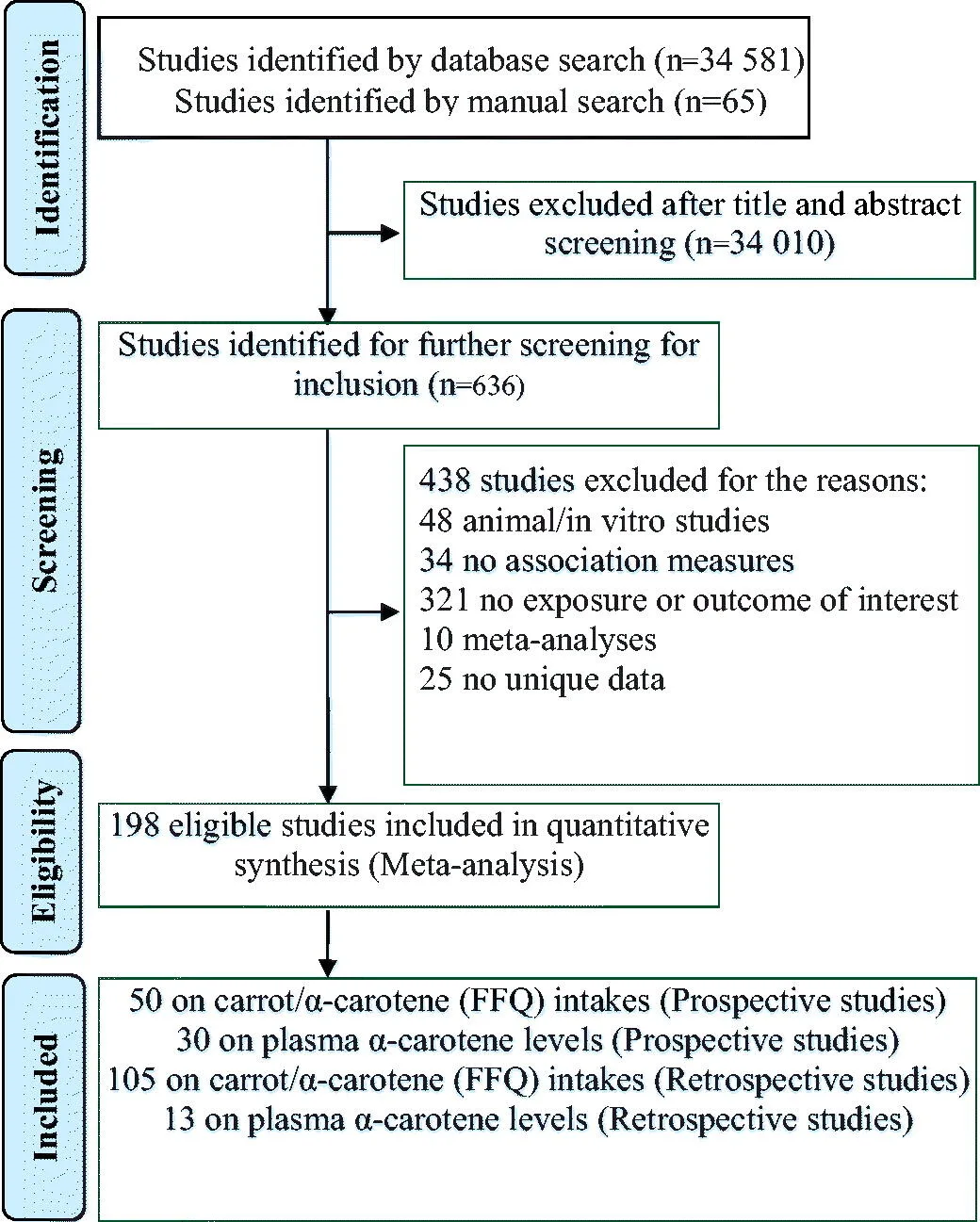
I-squared tells you how much of a pooled result rests on studies that genuinely disagree. Here is how to read it before you trust the headline number.

Before a study reaches a journal, a handful of unpaid experts read it closely. Here is what they can catch, and what they cannot.
Trials often track cholesterol, tumor shrinkage or blood sugar instead of death, fractures or survival — the stand-in usually works, but history records the exceptions.

Relative risk makes small dangers look enormous and big benefits look magical; converting to absolute numbers takes one minute and changes every conclusion.