How to Read a Meta-Analysis: What Pooling Studies Can and Cannot Fix
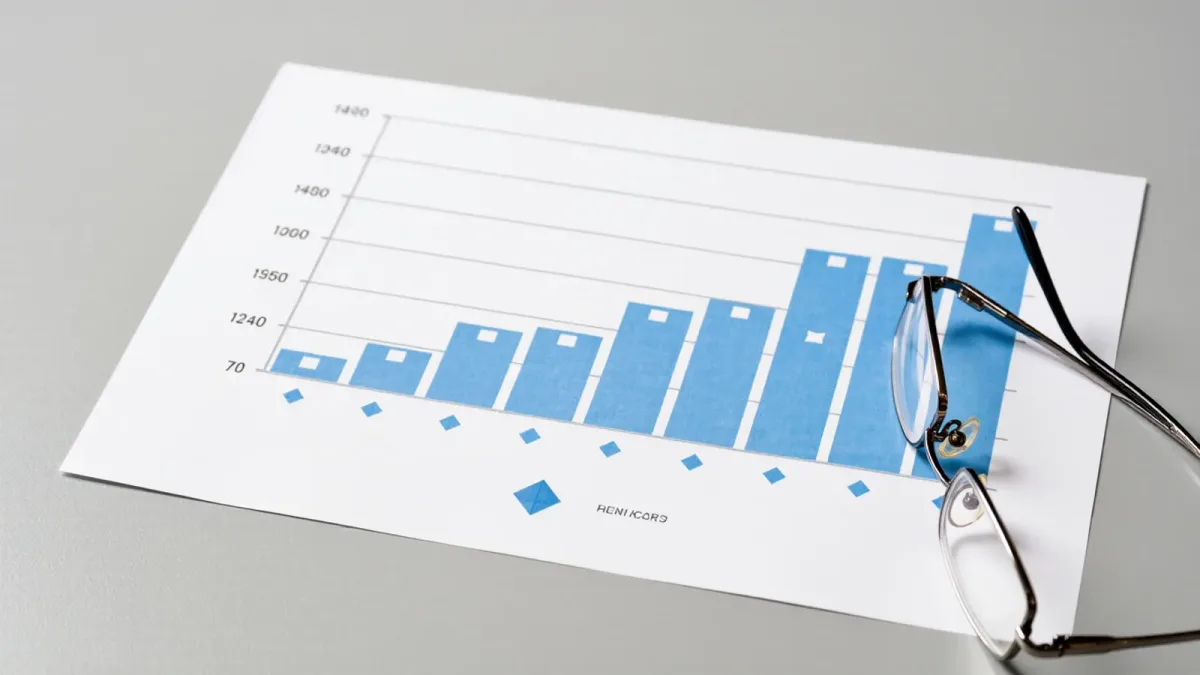
Meta-analyses sit at the top of the evidence pyramid, but pooling inherits every flaw of the studies it combines — heterogeneity, publication bias and garbage in.
Research reads health studies properly: design, effect sizes, and the difference between a finding and a headline.
New discoveries and studies with professor/expert commentary — 'профессура и экспертность' vertical
Meta-analyses sit at the top of the evidence pyramid, but pooling inherits every flaw of the studies it combines — heterogeneity, publication bias and garbage in.
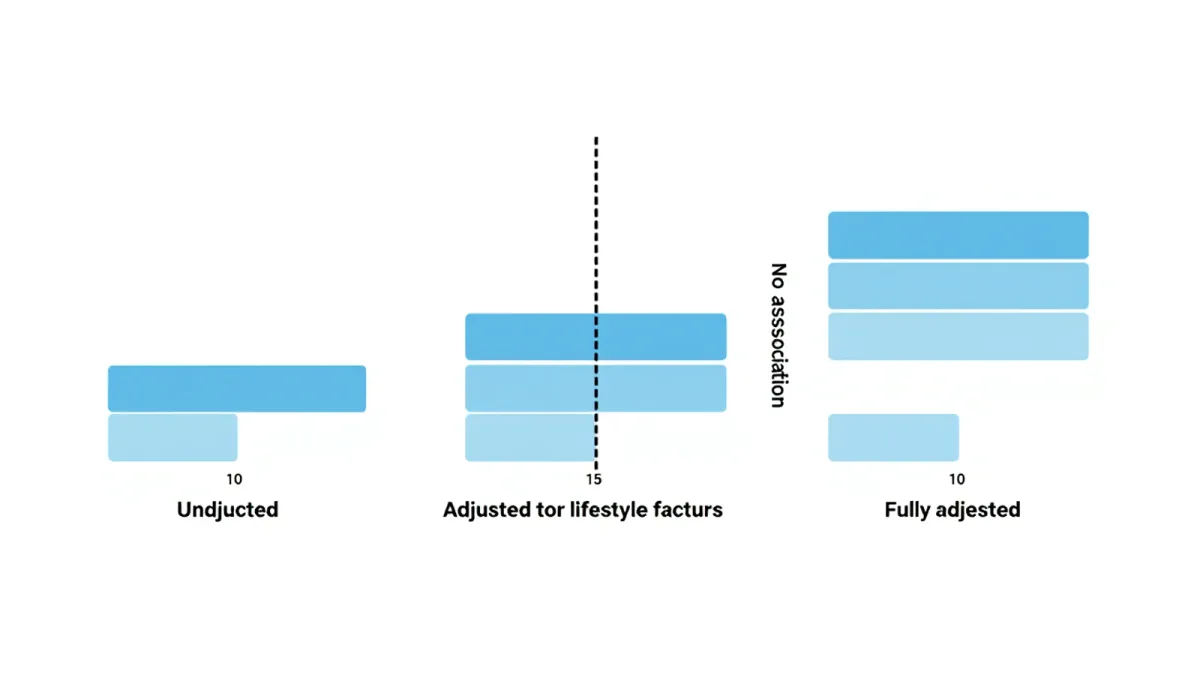
Most nutrition and lifestyle news comes from cohort data that can only report associations — here is how to extract what such studies honestly show.

Industry funding skews research results in measurable, documented ways — and the disclosures at the bottom of a paper tell you which way to lean your skepticism.

Thousands of papers are retracted every year, yet retracted studies keep circulating in news feeds and policy debates — a two-minute database check settles which.

Observational cohorts can follow half a million people for decades; randomized trials can isolate a single variable — knowing which design produced a headline tells you what it can honestly say.
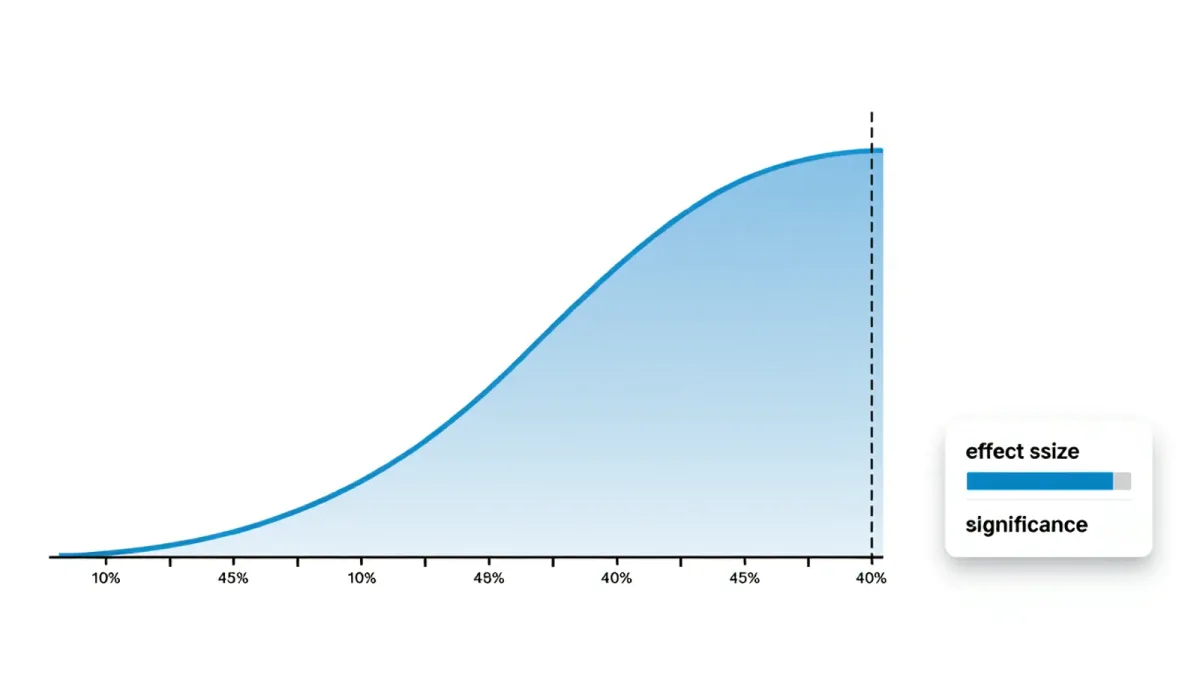
A p-value measures how surprising the data would be if nothing were going on — it says nothing about size, importance, or whether the finding is true.