
Vaccine headlines compress a lot of work into a few words. A single story may sit on top of a trial with thousands of participants, a safety monitoring system, and a recommendation process that took months. When the reporting is reduced to "vaccine works" or "vaccine risky," the details that matter — who was studied, what was measured, and over what time — often disappear. Reading vaccine news well means asking for those details before drawing a conclusion.
This guide walks through how vaccine safety and efficacy reporting actually works, where the simplification happens, and what questions to ask the next time a headline moves. One grounding fact first: the New York State Department of Health describes vaccines as one of the great public health achievements, noting that diseases like polio that were once common are now distant memories for most Americans. That baseline is worth holding onto when coverage feels chaotic.
What does "efficacy" actually mean in a vaccine headline?
Efficacy is a number from a controlled trial. It compares how many vaccinated people got sick versus how many unvaccinated people got sick, under trial conditions. Effectiveness is the real-world version, measured after a vaccine is in use. The two are related but not identical, and headlines often blur them.
Three things typically get lost in compression. First, the endpoint: a trial may measure prevention of infection, or prevention of severe disease and hospitalization, and those are different claims. Second, the population: a result in healthy adults may not transfer to infants, older adults, or people with weakened immune systems. Third, the time frame: protection from many vaccines lessens over time, which is why boosters exist and why a single number rarely tells the whole story.
When you read an efficacy figure, look for what the story says about who was studied and against what outcome. If neither is stated, the number alone tells you very little.
How does vaccine safety actually get monitored?
Safety monitoring does not stop when a vaccine is approved. Trials look for side effects before authorization, and after approval, larger surveillance systems continue collecting reports from clinicians and the public. This layered structure means rare events that a trial could miss can surface later — which is a feature of the system, not a failure of it. We covered a connected angle in FDA Approved Icotyde, Taking the Top Psoriasis Target From Injection to Pill. For related coverage, see FDA Approved Icotyde, Taking the Top Psoriasis Target From Injection to Pill.
Here is the part news coverage often inverts. A report of a possible side effect entering a monitoring system is the system working as designed. It is not yet a confirmed causal link. Headlines that treat every filed report as proof of harm are describing the intake process, not a finding. Conversely, coverage that dismisses early signals entirely skips over the investigation that should follow. The honest framing sits in between: a signal was reported, an assessment is underway, and the conclusion comes after the evidence is weighed.
Public health agencies publish their vaccine guidance and updates directly. The CDC's vaccines and immunizations hub is the central place providers and the public check current recommendations, and state health departments maintain their own pages for local questions.
Who decides who should get a vaccine, and when?
Recommendations come from bodies that review the evidence and issue schedules by age and risk group. Those schedules change as evidence changes, and that change is itself news — sometimes reported as contradiction when it is actually process. A recommendation shifting from "everyone" to "people at higher risk" usually reflects new evidence about who benefits most, not a reversal about whether the vaccine works.
The current seasonal landscape is one example. According to the New York City Department of Health, anyone 6 months and older should get a COVID-19 vaccine, and the department says it is especially important for adults 65 and older, children 6 to 23 months, people who are pregnant or recently gave birth, and people of any age with an underlying condition that increases their risk for severe COVID-19. The same page notes that COVID-19 vaccines are covered by most insurance plans, including Medicaid and Medicare — a cost detail that rarely makes the headline but matters to the reader paying the bill.
Our analysis: when you see a story about a recommendation changing, check three things — who the new recommendation covers, who it no longer covers, and what evidence the change cites. Those three facts separate a real shift from a headline manufactured out of routine process.
What this means for how you read the next vaccine story
Practical steps, in order:
- Find the source. Is the story based on a published trial, a regulatory decision, a recommendation update, or a single report in a monitoring database? Each carries a different weight.
- Check the population. Ask who was studied. A finding in one age group does not automatically apply to another.
- Separate signal from conclusion. A reported event is not a confirmed cause. Look for whether the story distinguishes the two.
- Watch the endpoint. "Prevents infection" and "prevents hospitalization" are different claims, and both can be true while headlines flatten them into one.
- Check the cost and access angle. Coverage rules and pharmacy availability are part of the story. Pharmacies publish their own eligibility summaries — CVS, for instance, maintains a vaccine eligibility table organized by age group, updated against CDC guidance.
If a story you are reading answers none of the first four questions, treat it as a starting point, not a conclusion. Go to the agency page or the trial record it cites.
Where to verify what a headline claims
For most readers, three layers of verification cover nearly everything. The CDC publishes current vaccine recommendations and schedules. State and city health departments translate those into local guidance — the New York State Department of Health's immunization page, for example, explains community immunity and keeps contact lines for vaccine questions. And your own clinician or pharmacist can apply the general guidance to your specific situation, which no headline can do. For related coverage, see CDC Moves to Align the Childhood Vaccine Schedule With Other Countries. We covered a connected angle in CDC Moves to Align the Childhood Vaccine Schedule With Other Countries.
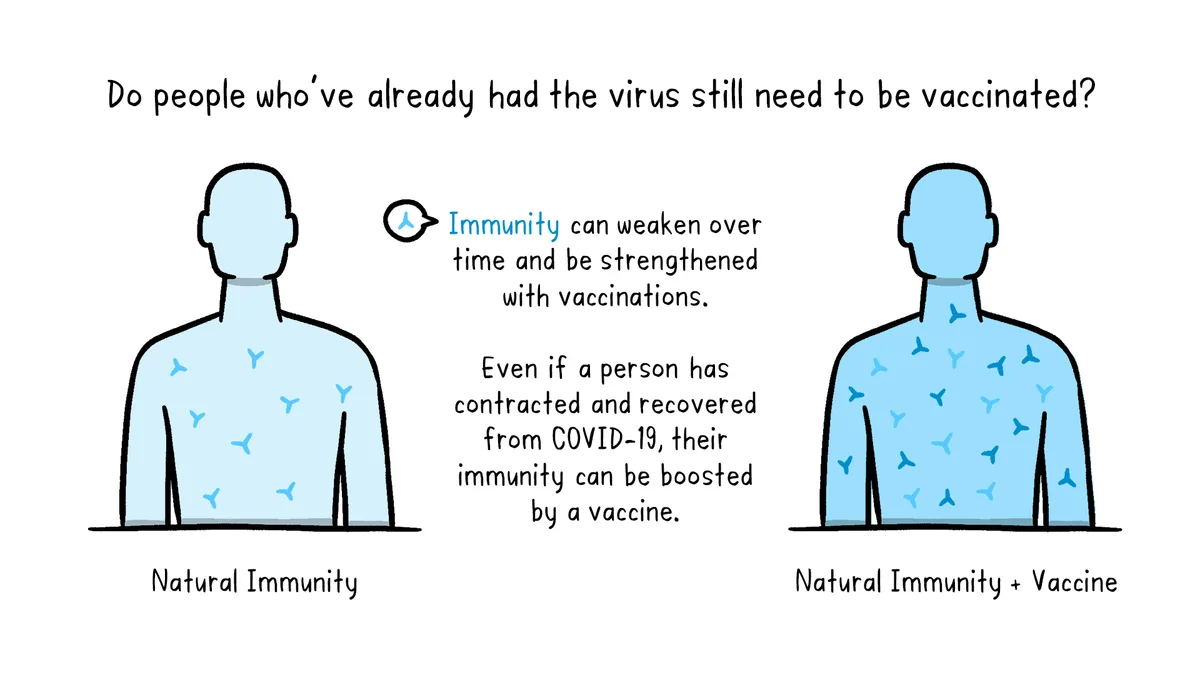
When recommendations are in flux, the uncertainty is usually about timing and target groups, not about the underlying safety record. The New York City health department's guidance, for instance, still describes COVID-19 vaccines as the best protection against severe complications including hospitalization, death, and long COVID, and notes that even people who have already had COVID-19 should get vaccinated.
One standing line worth repeating: this article is information, not medical or insurance advice. For a decision about your own vaccination, ask your clinician one exact question — "Given my age and health history, which vaccines do the current recommendations say I should get, and when?" That question turns a noisy news cycle into a specific, answerable conversation.
The takeaway
Vaccine news is not harder to read than other health news, but it punishes skimming more. The claims that matter — who was studied, what outcome was measured, what changed and for whom — are almost always available a click away from the headline. Ask for them. The evidence base behind routine immunization is deep and public; the noise around any given week's coverage is not.