
Claim Denied? How the Internal and External Appeal Process Actually Works
A denial letter starts a clock, not a conversation: the appeal route, the deadlines and the outside reviewer who can overrule your insurer are all written into federal rules.
Plans, coverage, underwriting logic, employer benefits, open enrollment — service journalism
A denial letter starts a clock, not a conversation: the appeal route, the deadlines and the outside reviewer who can overrule your insurer are all written into federal rules.
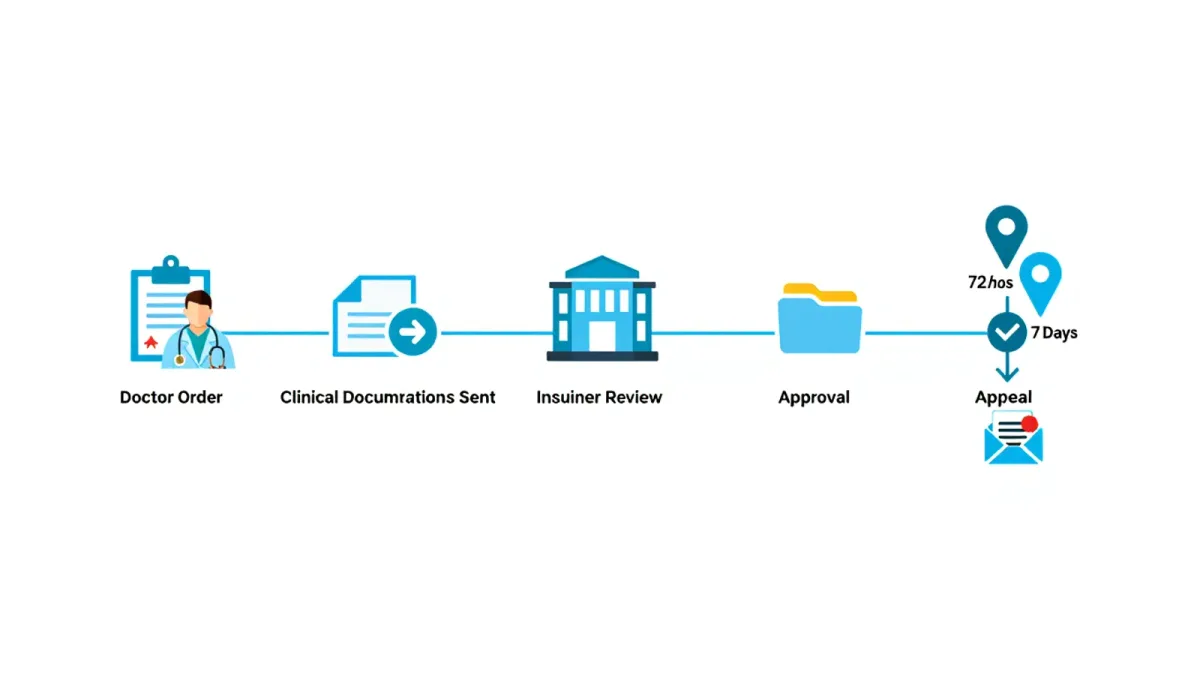
Insurers require advance approval for expensive drugs, imaging and procedures; knowing who files the request, the clocks that apply and how denials get overturned can save weeks.

One path bundles everything into a private managed-care plan with low premiums and networks; the other keeps Original Medicare and buys predictable cost sharing.

Most employees default to last year's choice; a one-hour structured review of premiums, networks and accounts usually finds money the default leaves on the table.

Both accounts let you pay medical bills with pretax money, but eligibility rules, rollover treatment and investment options split them sharply.

One number is what you pay before insurance starts paying; the other is the ceiling on what you can ever pay in a plan year — and confusing them is expensive.