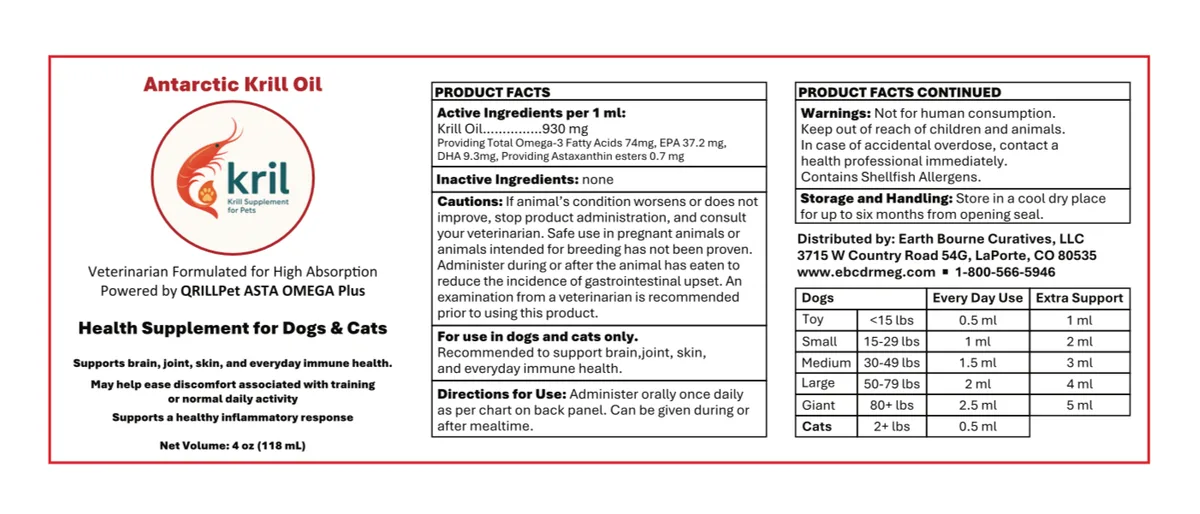

Every dietary supplement sold in the United States carries a Supplement Facts panel, and unlike the front of the bottle, that panel is regulated line by line. The FDA specifies its format, what counts as a serving, and how ingredient amounts and Daily Values must be shown, per the agency's labeling rules under DSHEA and subsequent rulemaking. Reading it takes about ninety seconds once you know where the tricks live — and the tricks are usually not illegal. They live in serving-size math, blend construction and claim placement, not in the panel itself.
This article publishes information, not medical or insurance advice. For products that must fit around prescriptions or a medical condition, bring the panel to your pharmacist rather than deciding from the marketing copy.
Start with the serving size
The top line defines everything below it. A product showing 2,000 mg of a compound "per serving" may define a serving as three capsules while the bottle promises a month of doses in a different arithmetic entirely. Check servings per container next: a cheap-looking bottle with 30 servings of four capsules each runs out in a month at four capsules a day, which can double the true cost compared with the bottle next to it. Dose per serving, servings per day and servings per container are three separate numbers, and bargain comparisons only work when all three line up.
Understand %Daily Value
The %Daily Value column tells you what one serving contributes to an average adult's daily reference intake. Two quirks matter. First, some nutrients carry no established Daily Value, so the panel prints a dagger with the note "Daily Value not established" — common for herbal extracts and compounds like coenzyme Q10. Second, more than 100 percent is not better: the Daily Value for most vitamins is set near or above the requirement for the average person, so a multivitamin at 300 percent of anything is marketing arithmetic, not a health gain, and for minerals like zinc and selenium, chronic excess approaches toxicity territory. The NIH Office of Dietary Supplements fact sheets list tolerable upper limits for comparison.
Name the form, not just the nutrient
Magnesium oxide and magnesium glycinate are both "magnesium" on the panel but behave differently in absorption and gut tolerance, and the elemental amount — what actually counts — is only part of the compound weight. The same applies to calcium (carbonate vs citrate), chromium, and B12 (cyanocobalamin vs methylcobalamin). Panels that list the nutrient without its chemical form make comparison impossible; panels that list it let you match what trials actually tested.
Beware the proprietary blend
When a label groups ingredients under a trademarked blend name — "Immune Complex 850 mg" — the FDA permits the manufacturer to disclose the blend total without per-ingredient amounts. The practical consequence: a 12-ingredient blend of 850 mg may contain mostly rice flour and 5 mg of the herb that gave the blend its name and its price. Rule of thumb used by formulators: ingredients appear in descending order of weight within the blend, so anything listed after the filler has no stated dose at all. Blend construction is legal; it is also the single most common place where a supplement's headline ingredient is effectively absent.
Read the claims against the panel
Front-of-bottle language is a different regulatory universe. Structure/function claims — "supports joint comfort," "helps maintain healthy cholesterol" — require no FDA review, though labels must carry the disclaimer that the statement has not been evaluated by the agency. Disease claims — "prevents osteoporosis," "treats arthritis" — are not permitted on supplements, and a product making them is mislabeled by the FDA's own standard, which makes the claim itself a quality signal about the company. The claim-to-panel check takes seconds: if the front promises energy and the panel shows B vitamins at 8,000 percent of Daily Value plus caffeine, you now know what "energy" means in that bottle.
Check the other-ingredients list and expiry
Below the panel, the full ingredient disclosure lists excipients: fillers, flow agents, capsule materials and allergens. People with sensitivities scan this region for gelatin, soy, gluten cross-contacts and dyes. The expiration or "best by" date matters more for some products than others — probiotics and fish oils degrade measurably, while minerals are stable for years. For probiotics, note whether the CFU count is stated at manufacture or at expiry; the difference can be a large share of the label number.
What about units and conversions?
Two unit systems still confuse buyers. Vitamin D and vitamin A use international units alongside micrograms: vitamin D labels now must show micrograms with IU in parentheses, so 400 IU reads as 10 mcg, and 2,000 IU is 50 mcg. Vitamin A was redefined in the FDA's 2016-2019 label transition from IU to mcg RAE (retinol activity equivalents), which cut the apparent numbers by roughly two-thirds overnight — 5,000 IU of the old labels corresponds to about 300 mcg RAE from retinol, less from beta-carotene. Folate similarly switched from mcg to mcg DFE to distinguish folic acid from food folate. If a price comparison is based on IU figures across old and new stock, it can be off by a factor of three, so convert before you compare.
Mineral panels hide a second conversion in plain sight: the listed weight is the elemental mineral only, so "500 mg calcium citrate" delivers roughly 250 mg of elemental calcium, and the rest is the carrier compound. That is why two products with identical front numbers can differ two-fold in what you absorb per capsule.
A 60-second checklist
- Serving size and servings per container — redo the price math per day.
- Elemental amounts against NIH upper limits, not against percentages.
- Chemical form of the active ingredient.
- Blend names: any dose hidden?
- Claim language: structure/function, or an illegal disease claim?
- Seal from USP or NSF for third-party verification.
Run that list on two competing products and the label will usually tell you which one is real.