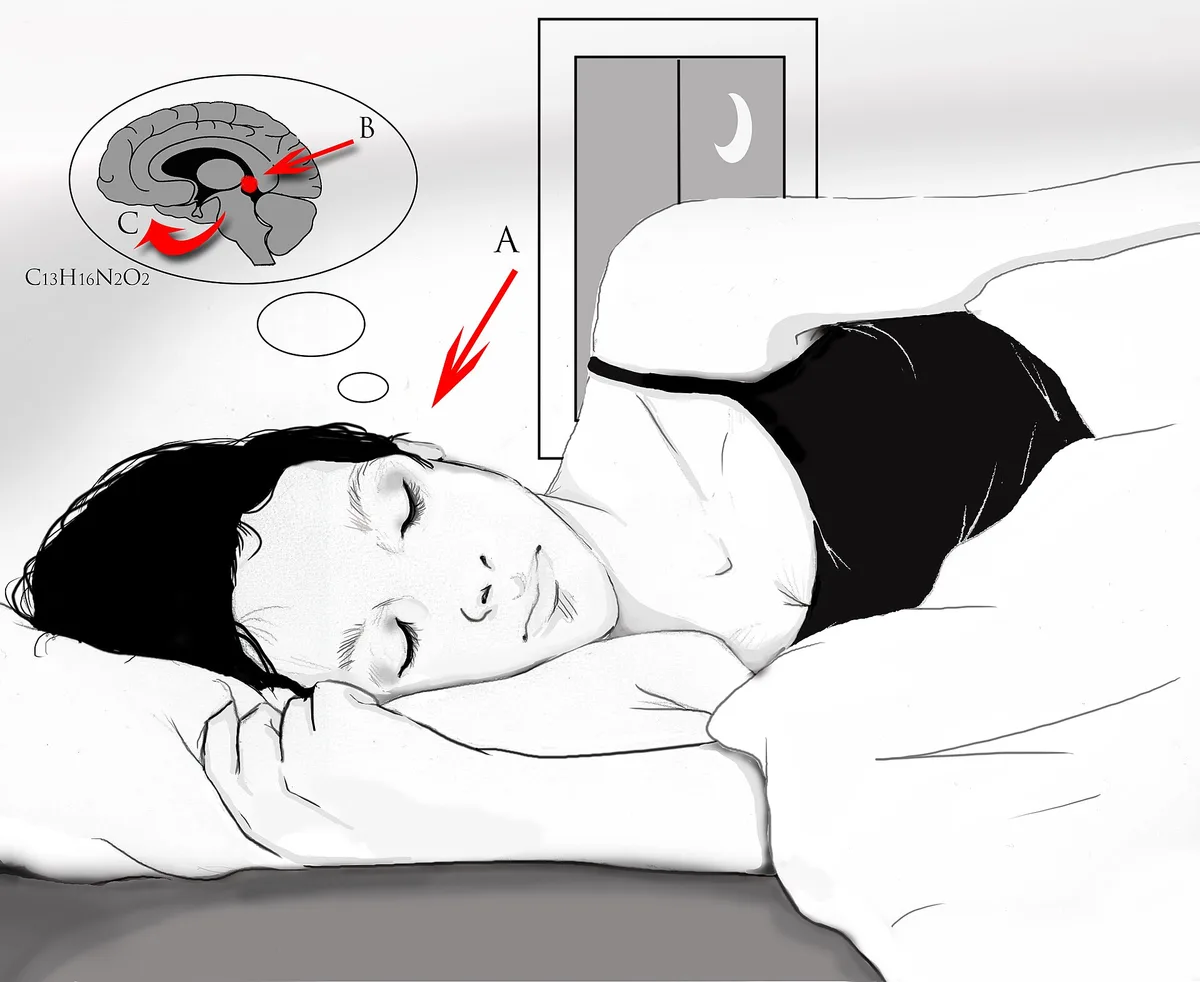
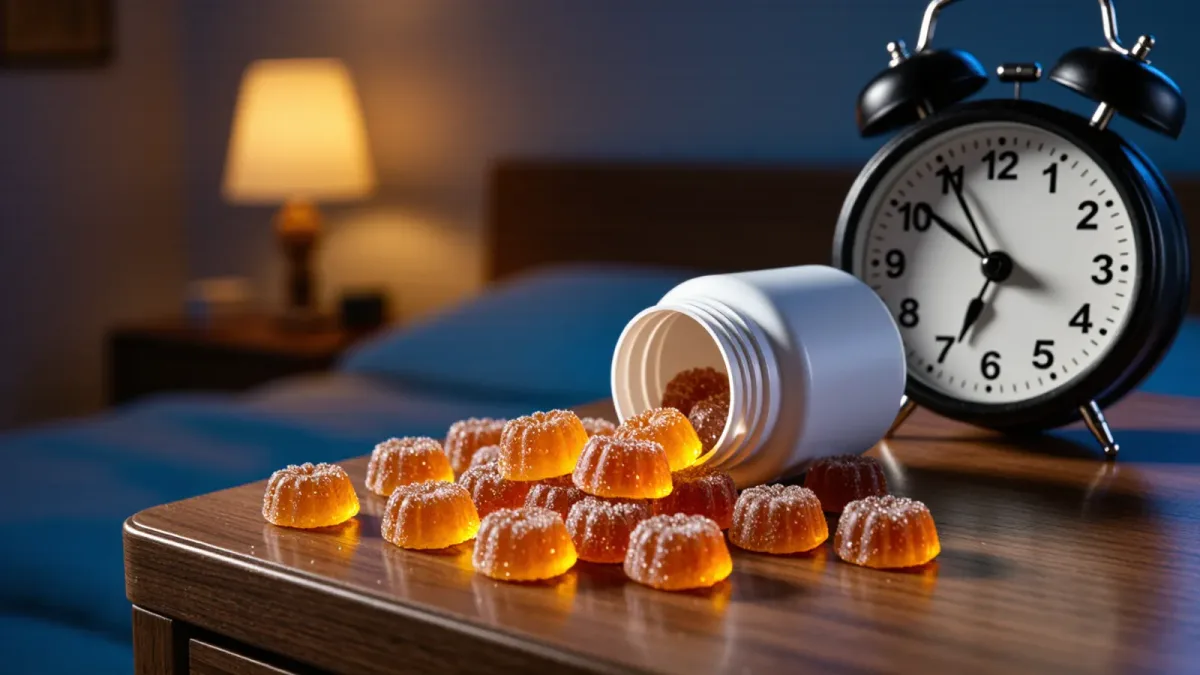
Melatonin gummies have become America's default sleep aid, with use among adults rising from about 0.4 percent in the decade before 2018 to several times that after the pandemic, per analyses of National Health and Nutrition Examination Survey data published in JAMA. The hormone itself is real physiology: the pineal gland releases melatonin in darkness to signal the brain that night has begun, and supplemental melatonin genuinely works — for a narrower set of problems than the gummy aisle suggests. For the common complaint of chronic trouble falling or staying asleep, clinical guidelines do not recommend it as a primary treatment.
Sleep problems lasting more than a month deserve a clinical evaluation, since insomnia, sleep apnea and restless legs require different treatments and melatonin addresses none of them directly.
Where the evidence is real
The strongest use is circadian: shifting the body clock. Trials support melatonin for jet lag when crossing five or more time zones, taken at the destination's target bedtime; for delayed sleep-wake phase disorder in adolescents and night owls, where small doses timed hours before habitual sleep advance the clock; and for sleep onset in children with neurodevelopmental conditions including autism spectrum disorder, where the evidence base, while still limited in size, is positive enough that specialists use it routinely. Shift workers show mixed results. In blind adults with no light perception, melatonin can establish a functional day-night rhythm that light cannot. Per the NIH's National Center for Complementary and Integrative Health, evidence for melatonin in the general insomnia population is weak and inconsistent.
What guidelines actually recommend first
The American Academy of Sleep Medicine's clinical practice guideline, published in 2021 after reviewing 44 studies, recommends against clinicians using melatonin for the treatment of insomnia in adults, along with several other popular supplements, citing insufficient evidence of benefit. What it recommends instead is cognitive behavioral therapy for insomnia — CBT-I — delivered in person, digitally or by trained coaches, which produces durable improvement without a pill. The comparison matters commercially: CBT-I skills outlast the course, while melatonin's benefit, where it exists, stops when the gummies stop.
The dosing problem nobody advertises
Over-the-counter doses of 5 and 10 mg dwarf physiological levels. A healthy body releases roughly 0.1 to 0.9 mg of melatonin per night; a 10 mg gummy delivers ten to a hundred times the circulating peak. Trials that show benefit for circadian shifting typically use 0.3 to 5 mg, with the low end doing the timing work. Higher doses add morning grogginess, vivid dreams and next-day impairment without adding clock-setting effect, and pediatric surveys have documented rising calls to poison control centers for pediatric melatonin exposures, which became a leading cause of supplement-related poisoning calls during the pandemic years per CDC-linked analyses.
What is actually in the bottle
Melatonin is a supplement, so no agency verifies content before sale. That gap produced the most cited quality study in the category: a 2017 analysis in the Journal of Clinical Sleep Medicine of 31 melatonin supplements found content ranged from less than 1 percent to 478 percent of the labeled amount, and lot-to-lot variation within a single brand exceeded 400 percent. A 2023 follow-up study of gummies published in JAMA found most tested gummies contained more melatonin than labeled — in some cases 350 percent. For children, that mislabeling arithmetic converts a mild sleep aid into a high-dose hormone exposure. Third-party certification (USP, NSF) directly addresses this failure mode, which is why it is more consequential for melatonin than for minerals.
Safety and interactions
Short-term use at low doses is generally well tolerated; headaches, dizziness and nausea are the common complaints, and next-day sedation is dose-related. Interactions are documented with anticoagulants (possible bleeding signals), immunosuppressants, diabetes medications and anticonvulsants, and melatonin can add to sedatives and alcohol. Because it is a hormone, effects of years-long daily use in children are not fully characterized, which is why pediatric use belongs under a clinician. In 2022 the FDA declined to treat melatonin-containing products as conventional foods and continues to flag the regulatory ambiguity; proposals to set dose caps for children's products have circulated in several states.
How does timing work?
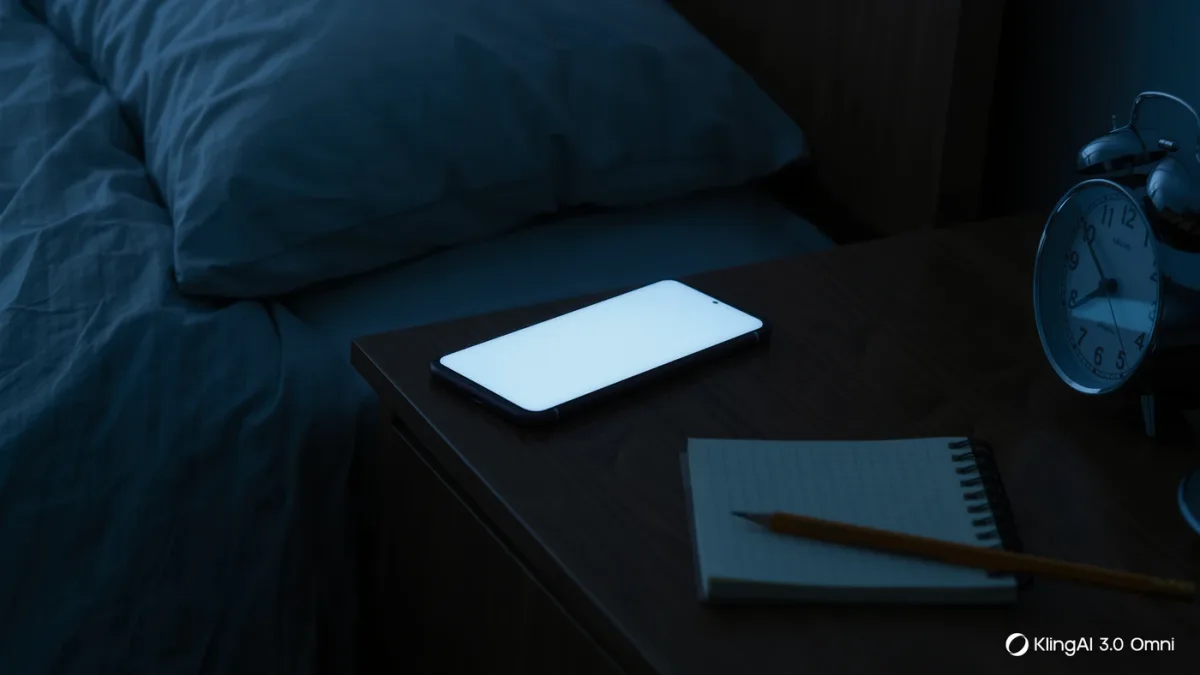
Melatonin's effect is a phase shift, which makes timing more important than dose. Taken four to six hours before habitual bedtime, small doses advance the clock — the target for delayed sleep phase and jet lag eastbound. Taken at the destination bedtime after an eastward flight, 0.5 to 5 mg reduces jet lag symptoms in pooled trial data. Taken wrong, it fights the clock you already have: mid-morning dosing pushes the body later. Light is the other half of the signal — bright light at the wrong time undoes melatonin's shift, so evening phone brightness and morning sunlight should be managed alongside any capsule. For travelers, the practical protocol: start destination bedtime dosing on arrival, seek morning light, avoid evening light, and stop once the schedule holds.
One category to separate completely: prescription melatonin-based products such as ramelteon act on the same MT1 and MT2 receptors but went through full drug approval with dosing studies, and ramelteon carries a formal indication for sleep-onset difficulty. Comparing a 10 mg gummy to ramelteon 8 mg confuses a hormone supplement with a regulated drug, and the distinction is exactly the DSHEA gap described in supplement regulation coverage.
What should a reader do differently?
Match the tool to the problem: crossing time zones or a shifted body clock — low-dose melatonin, correctly timed, is evidence-based. Ordinary insomnia — ask for CBT-I and fix light exposure, caffeine timing and wake time first. If you still use melatonin, buy a certified product, start at 0.3 to 1 mg, take it one to two hours before target bedtime, and store it away from children. Watch the regulatory space: with pediatric exposures climbing, dosing caps and tighter labeling are the most plausible changes of 2026–2027.